

22nd March 2026; 13:12 IST
I went into Crimson Desert expecting something huge—and yeah, it absolutely is. But “huge” doesn’t always mean better.
This is one of those games that tries to do everything—and for better or worse, it actually does. The world is massive, easily one of the biggest I’ve seen in an open-world game. It constantly reminds you of titles like Red Dead Redemption 2, The Legend of Zelda: Breath of the Wild, and The Witcher 3: Wild Hunt, especially in how it handles exploration. You’re not just moving from point A to B—you’re getting distracted every few minutes, and sometimes that’s the best part.
The world design is easily the game’s strongest feature. Every region feels distinct, towns are dense and believable, and there’s a ridiculous level of detail packed into the environment. At times, it genuinely feels like a next-gen benchmark. You’ll have moments where you just stop and look around because of how good everything looks.
But the game also suffers from trying to be too big. There’s so much content—side activities, systems, interactions—that it starts to feel bloated. Not everything feels meaningful. Some of it exists just so the game can say it has more to offer. That sense of overload hits especially hard in the early hours, where progression feels slow and grind-heavy.
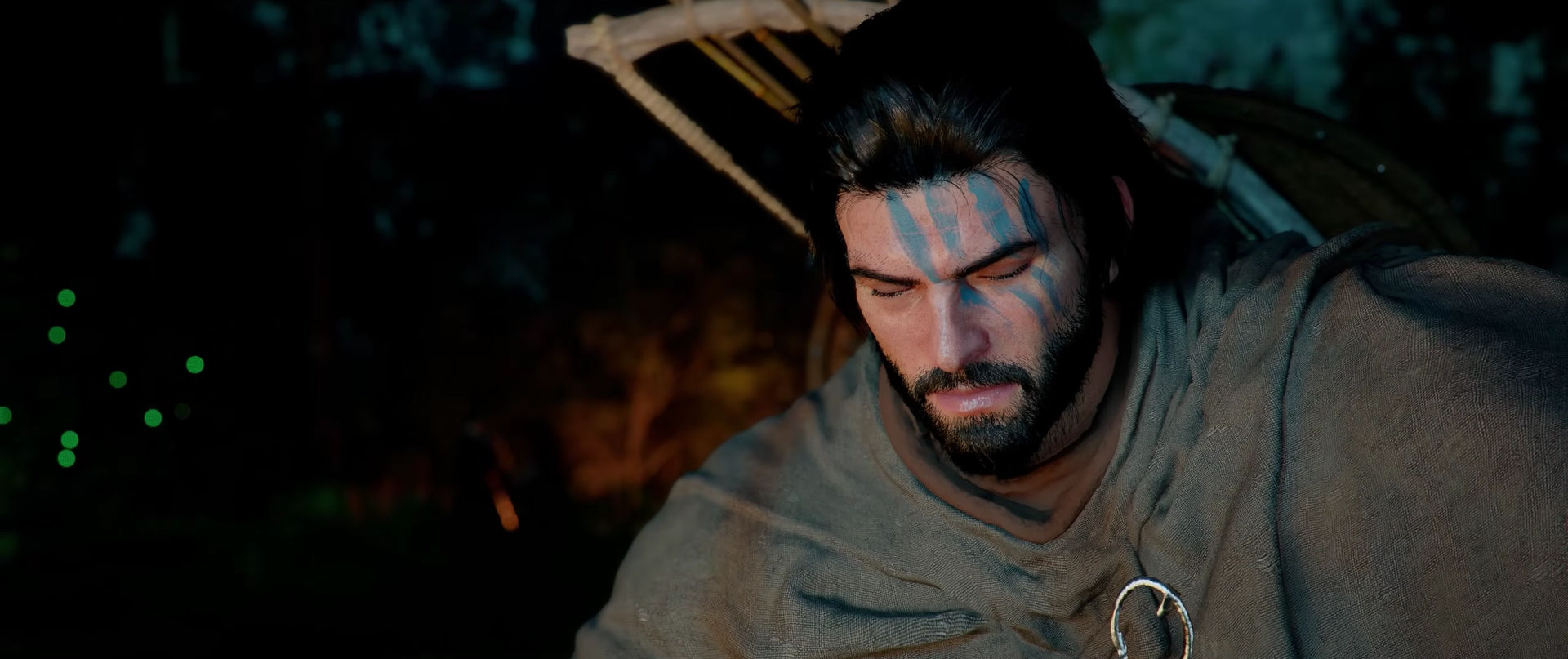
The story doesn’t help either. It’s not terrible, but it’s forgettable. Kliff, the main character, is supposed to be this serious, brooding warrior, but he comes off as flat. There’s very little emotional pull, and most of the supporting cast is just as unmemorable. It’s one of those narratives where the world itself is more interesting than the people in it.
Combat sits somewhere in the middle. There’s a lot of variety—melee weapons, ranged options, even magic—and the animations look great. But once you actually get into fights, things feel inconsistent. Dodging isn’t as responsive as it should be, and targeting can be frustrating, especially in crowded encounters. Boss fights are tough and demand attention, but sometimes the difficulty comes from the controls rather than the enemy design.
A big issue is how many systems the game tries to juggle. Crafting, resource gathering, skill trees, exploration mechanics—it all sounds good on paper, but together it can feel messy. The menus are cluttered, the inventory fills up quickly, and basic interactions sometimes feel unnecessarily complicated. It’s clear the game has MMO-style design influence, and that doesn’t always translate well into a single-player experience.
That said, technically, the game is seriously impressive. Performance is solid, visuals are top-tier, and the scale of what it’s doing is hard to ignore. It’s one of those games that feels like a showcase for what modern hardware can do.
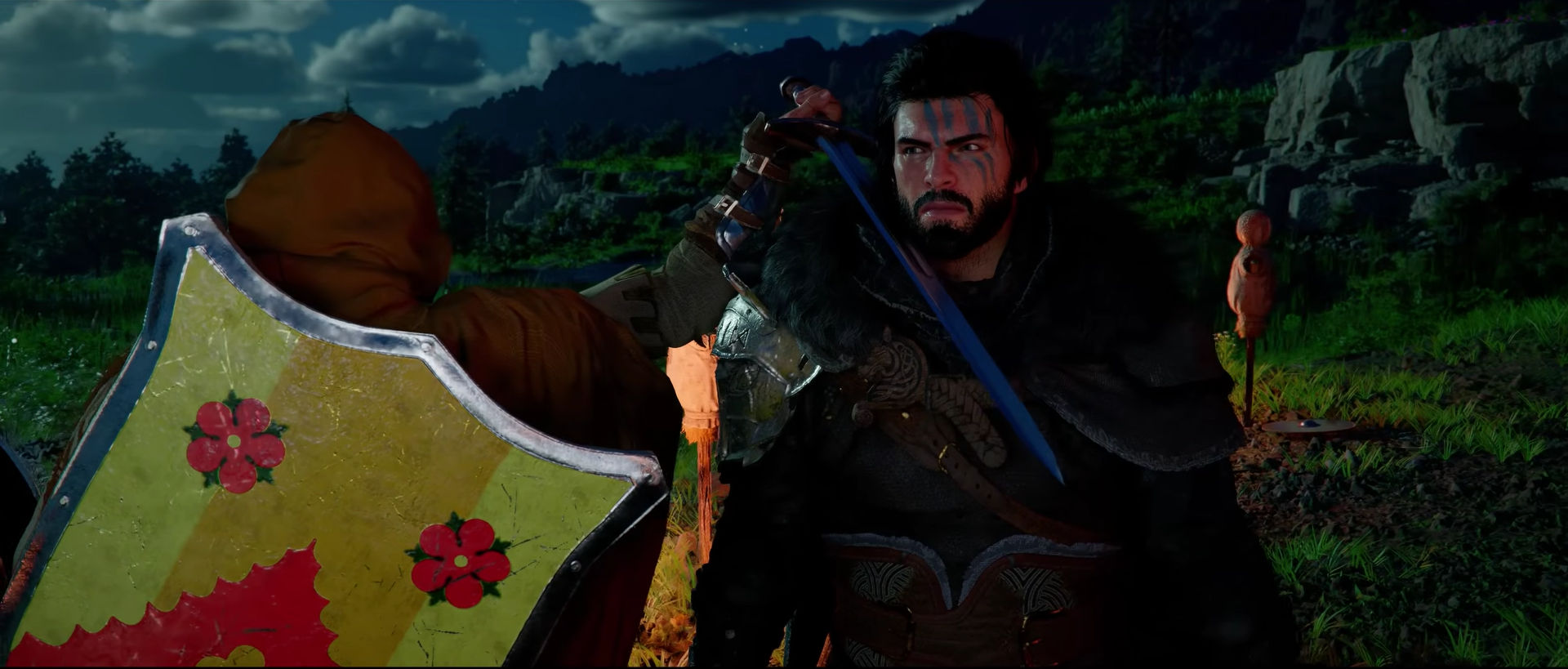
Crimson Desert is a game that impresses more than it connects. It’s huge, beautiful, and packed with things to do—but it doesn’t always respect your time, and it lacks the strong storytelling needed to tie everything together.
If you enjoy open-ended sandbox games where exploration is the main reward, you’ll get a lot out of it. But if you’re looking for a tight, polished experience with a memorable story, this might feel like a missed opportunity.